Play Therapy in Aiea, HI
A Research-Based Approach to Help Children Express, Heal, and Reconnect
Immediate In-person and Tele-Health Appointments Available in Aiea, Cities on Oahu, and Statewide in Hawaii.
Play Therapy with Alie Muhsin
My therapeutic approach focuses on understanding and addressing the underlying issues that impact mental health. I am committed to teaching problem-solving skills and finding practical solutions tailored to each client’s unique needs. I utilize a blend of Cognitive Behavioral Therapy (CBT), Solution-Focused Therapy, and Play Therapy to create a supportive and effective therapeutic environment.
Helping Children Heal, Grow, and Thrive—One Session at a Time
Healing Through Play
In the heart of ʻAiea, where ʻohana (family) and healing go hand in hand, many parents are searching for ways to support their children’s emotional health. When words aren’t enough, Play Therapy offers a gentle, research-based approach to help children express their feelings, heal from trauma, and reconnect with joy.
When families heal together, they not only survive challenges, they grow stronger than before.

Who Are Play Therapists
Healing begins with trust—and that trust often starts with the person on the other side of the playroom.
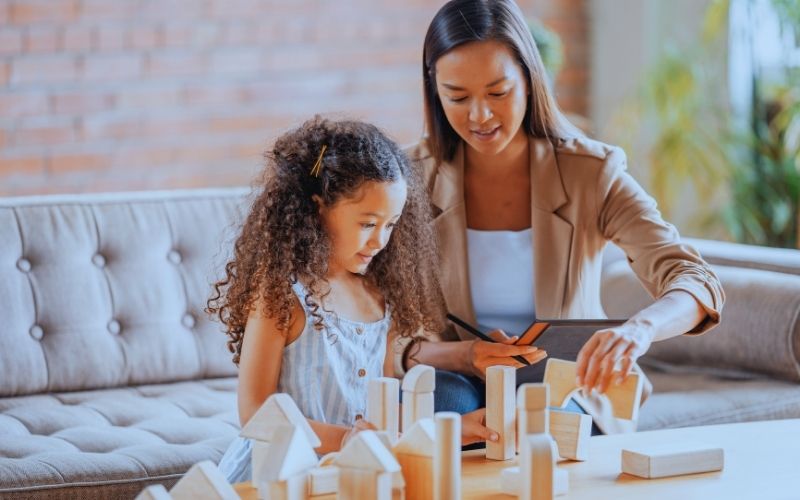
Our Play therapists are licensed professionals—such as LMFTs, LCSWs, or LMHCs—who receive additional training in child development and therapeutic play.
They combine clinical expertise with compassion to guide children through emotional healing in a safe, nurturing environment.
In ʻAiea, many therapists are well-versed in the local culture, values, and challenges. They honor the unique identity of each child while building a foundation of trust with the entire family.
What Is Play Therapy and How Does It Work
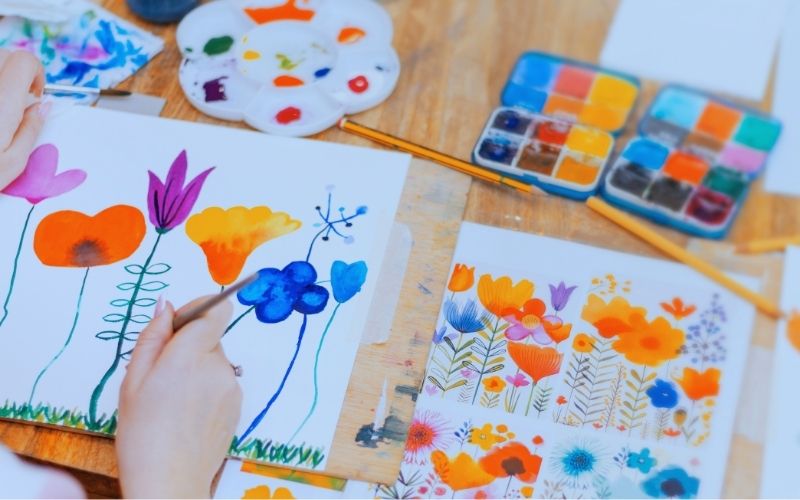
Imagine trying to explain heartbreak in a language you don’t yet speak. That’s what emotional pain can feel like for a child. Play therapy gives them that language, one made of blocks, paint, figurines, and imagination.
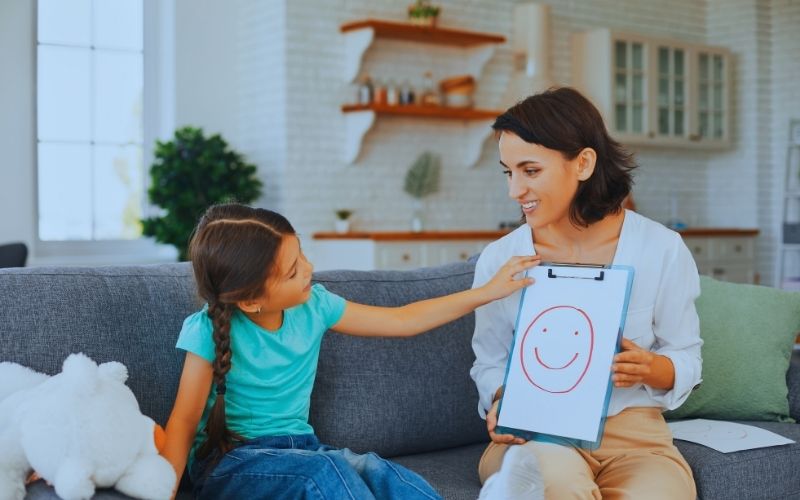
Our therapists use age-appropriate tools—like puppets, dolls, and drawings—to help children express what they may not be able to verbalize.
- Supports emotional regulation, trauma recovery, and behavioral challenges
- Offers a safe, structured space for exploration and healing
- Uses symbolic play to reveal inner thoughts and feelings
Rediscovering Joy, One Playful Step at a Time
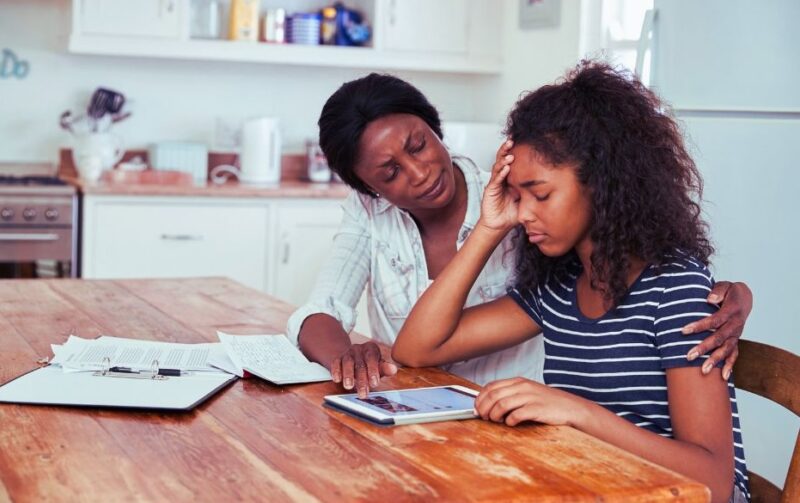
Play Therapy offers more than relief—it offers reconnection. With each session, children learn to express themselves, regulate their emotions, and regain trust. For families in ʻAiea, it’s a culturally respectful, heart-centered path to emotional wellness and lifelong resilience.
Because healing doesn’t always start with words, sometimes, it starts with play.
Play Therapy Really Works
If you’ve ever watched a wave reshape the shoreline one tide at a time, you’ve seen what slow, steady transformation looks like. That’s how play therapy works—not with dramatic overnight changes, but with gentle, lasting shifts that ripple outward into a child’s thoughts, behaviors, and relationships.
Play Therapy is evidence-based and effective for a wide range of emotional and behavioral issues. Research shows that children who participate experience:
Success Rate of Play Therapy
While healing is never one-size-fits-all, play therapy continues to show remarkable success across a range of emotional and behavioral challenges. Nationally, studies reveal that up to 83% of children who engage in play therapy experience meaningful improvement in classrooms, homes, and relationships.
ISuccess also depends on three core elements:
The 5 Stages of Play Therapy
Healing, like the growth of a native koa tree, doesn’t happen overnight. It moves in phases—slowly at first, then with quiet strength. Play therapy follows a natural rhythm of emotional development, unfolding across five key stages that mirror a child’s journey from confusion to confidence.
1
The Engagement Stage – Planting Seeds of Safety
In the early sessions, the therapist focuses on building trust. The playroom is introduced as a safe, predictable space. For some children, especially those who have experienced trauma, this safety is unfamiliar.
2
The Testing and Limit-Setting Stage – Pushing the Boundaries
Once children feel safe, they begin to test the rules and structure. This stage may involve defiance, boundary pushing, or emotional outbursts as the child tries to understand the limits of the relationship and their personal space.
3
The Therapeutic Growth Stage – Expression and Exploration
Here, the real emotional work begins. Children begin to express deep feelings through symbolic play. This is where anger, fear, grief, and sadness often emerge—through drawing, puppetry, or storytelling. It’s not always pretty, but it’s powerful.
4
The Insight and Integration Stage – Making Meaning
Children begin to understand and verbalize their feelings. They reflect on their play, start making connections between past events and current emotions, and practice new behaviors in the safety of the playroom.
Each stage of play therapy respects the pace of the child
5
The Termination Stage – Closure and Confidence
Eventually, the child reaches a point of emotional readiness to end therapy. This is a time to celebrate growth, reinforce learned skills, and prepare for independence. The child often leads the closure, expressing gratitude in their own unique way.
Play Therapy is a Powerful tool
For many parents, choosing to start therapy for their child feels like standing at a fork in the trail, unsure which path leads to healing.
There’s often worry—about cost, time, and whether your child will open up. But for families who’ve walked the journey, play therapy often feels less like an expense—and more like an investment in a child’s lifelong well-being.
- It’s developmentally appropriate. Children don’t process emotions the same way adults do—play therapy meets them at their level.
- It builds emotional intelligence. Kids learn to name, understand, and manage their feelings.
- It offers long-term tools. Many children carry the skills they learn in therapy—like self-soothing and communication—into adolescence and adulthood.
- It strengthens family bonds. When a child heals, the entire family system often finds more peace and balance.
In the values of Hawaiʻi, we care for the whole child—body, mind, spirit, and ohana. Play therapy supports all of these. It’s not just about “solving” a problem. It’s about nurturing a child’s full potential, even when that potential is buried under layers of fear, confusion, or hurt.
And in truth, play therapy is often the turning point for families who feel lost. It helps children—and their caregivers—rediscover connection, trust, and joy.
So, is it worth it?
If it helps your child sleep peacefully, find their smile again, or simply feel safe in their skin—the answer is a resounding yes.
What Happens in a Play Therapy Session?
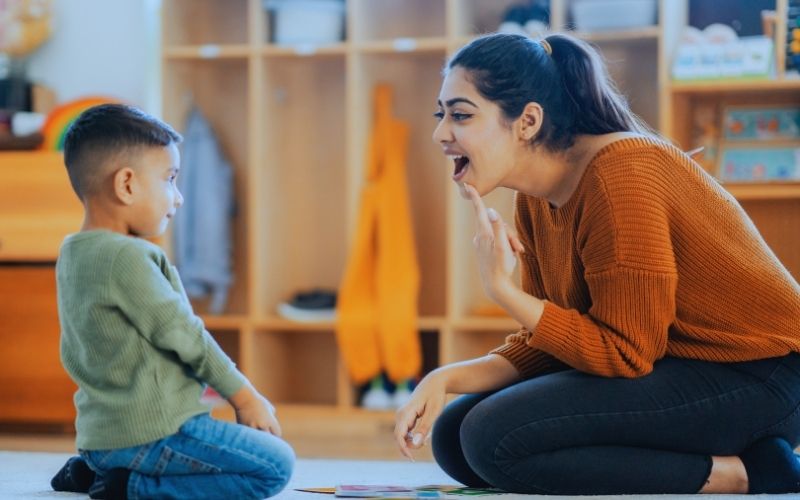
From the outside, a play therapy session might look like a child simply playing with toys, drawing pictures, or building sandcastles. But beneath that playful surface, something deeply meaningful is happening—a quiet conversation without words, where the child expresses what they can’t yet say aloud.
Each session takes place in a carefully designed room—safe, calm, and filled with therapeutic tools. Nothing is random. Every item has a purpose, offering children different ways to explore their emotions, choices, and stories.
A Typical Session May Include:
- Free play: The child chooses toys or art freely, offering insight into their emotional world.
- Therapist-led activities: The therapist may introduce specific tools, like drawing a “feelings volcano” or storytelling with figurines.
- Reflection: The therapist gently mirrors the child’s play themes.
- Emotion coaching: Children learn to name their feelings, try calming strategies, and practice safer responses.
What Children Gain:
- A safe outlet for overwhelming feelings
- Practice with communication and problem-solving
- Emotional regulation skills
- A sense of agency and control
Play therapy creates a space where children can restore balance between fear and safety, between sadness and hope. It’s not just about fixing behavior—it’s about helping keiki reconnect with their inner calm, their voice, and their place in the world.
A Healing Resource for Our Community
If you’re wondering whether play therapy is right for your child, or if your family could use a little more calm and clarity, we invite you to reach out. We offer gentle, no-pressure consultations for families in ʻAiea and surrounding areas.
You don’t have to wait for things to get worse. You can start where you are—with curiosity, courage, and care.
The Length of Play Therapy
Most children benefit from 8 to 20 weekly sessions, though timelines vary based on:
- Age and personality
- Nature of the concern (trauma, anxiety, grief, etc.)
- Family participation
- Therapist recommendations
Healing is not rushed—it’s a journey, not a sprint.
Is Play Therapy for My Child
If your child:
- Struggles with big emotions or behaviors
- Has experienced loss, trauma, or transition
- Seems “off” or withdrawn
…then play therapy might be the next right step. And if you feel overwhelmed or unsure, that’s a sign you don’t have to navigate this alone.
Play Therapy Can Help With
Play therapy is used to treat:
- Anxiety & depression
- ADHD & behavioral disorders
- PTSD & trauma
- Autism-related challenges
- Grief, loss, and adjustment difficulties
Even without a formal diagnosis, many keiki benefit from this expressive, supportive approach.
Who Needs PlayTherapy
Play therapy is ideal for:
- Children ages 3–12
- Kids facing big emotions, life transitions, or stress
- Children with developmental delays or trauma histories
- Families seeking non-verbal, child-friendly emotional support
A New Way to Heal with Play Therapy
In a world that often asks children to grow up too fast, play therapy offers a pause—a space to breathe, express, and simply be. For keiki carrying invisible burdens, it’s a doorway to healing that feels natural, safe, and even joyful.
From anxiety and grief to trauma and behavioral challenges, play therapy empowers children to make sense of their inner world—and to feel whole again. It honors Hawaiian values of ʻohana, pono, and maluhia, weaving family, balance, and peace into every step of the process.
And for the families who say yes to the journey, the reward is more than healing—it’s hope, harmony, and the simple joy of watching their child smile again.
Getting Started is Easy!
Schedule Your Free Consultation
We will start with a 15-minute consultation to discuss what is bringing you to therapy and how I might be able to help.
Begin Your Therapy Sessions
During the first few sessions, we will explore how you’re feeling and what your goals for therapy are. I will create a treatment plan tailored to your needs.
Start Your Journey to Living with Meaning and Impact
Together we will discover ways to help you live a life more connected with yourself and others.